
The Future of Digital Healthcare

Early detection of diabetes is crucial because it enables timely intervention, preventing or delaying serious long-term complications like heart disease, kidney damage, vision loss, and nerve damage. Identifying and managing prediabetes through early screening allows for lifestyle changes that can reverse the condition and prevent progression to type 2 diabetes. Early management also improves treatment effectiveness, leads to better control of blood sugar levels, and gives individuals a greater sense of control over their health. 

Through regular health checkups, blood sugar monitoring, and awareness of risk factors — such as family history, obesity, poor diet, or sedentary lifestyle — diabetes can be identified at an early stage. Early diagnosis allows individuals to take timely action through proper medical care, healthy eating, regular exercise, and medication if required. This proactive approach not only helps regulate blood glucose levels but also minimizes the risk of severe complications like cardiovascular disease, kidney failure, neuropathy, and vision impairment.

In addition, early detection can significantly improve quality of life. It enables better planning and lifestyle management, reduces healthcare costs associated with advanced treatments, and supports emotional well-being by giving individuals control.
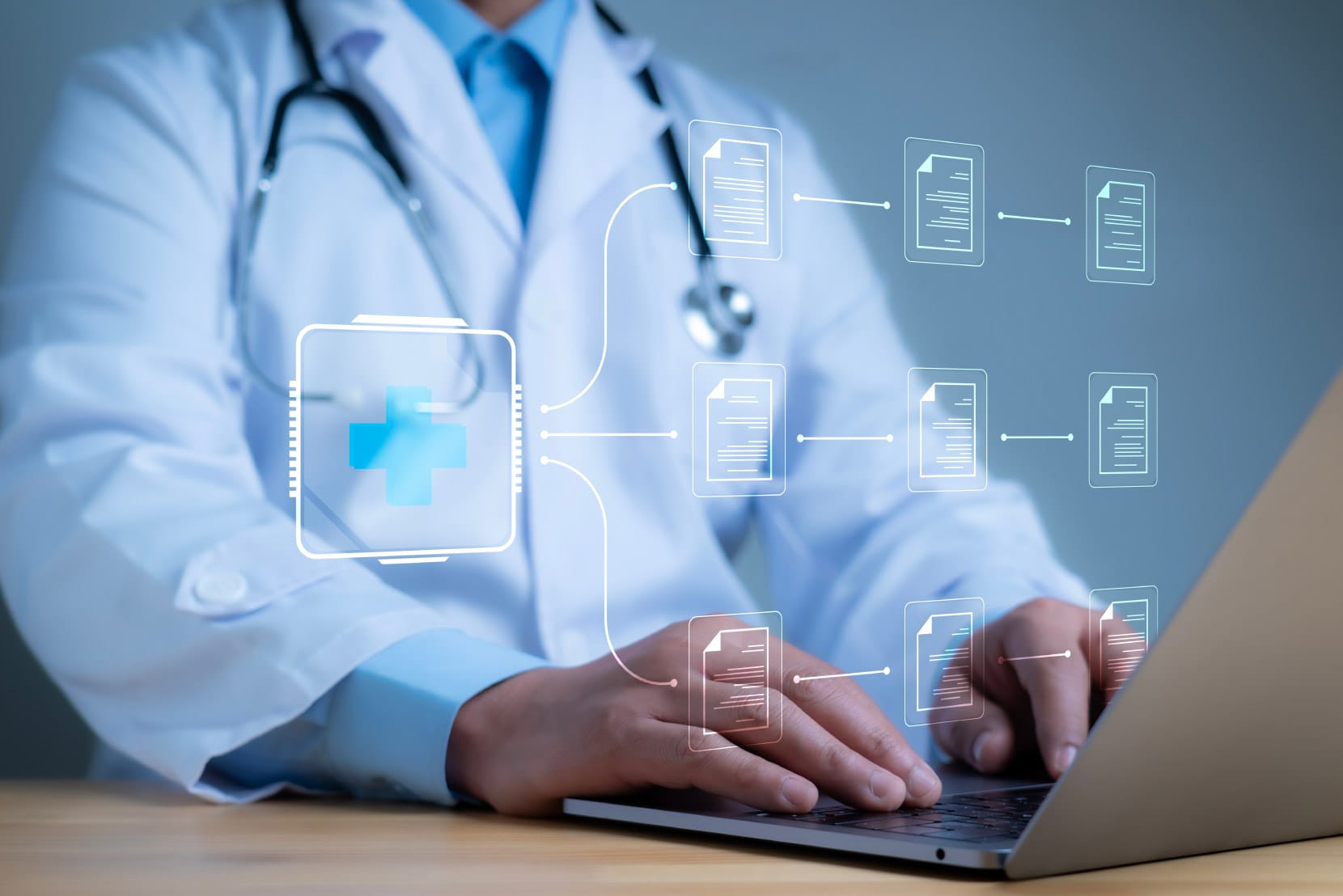

Why Patient Data Security Matters

Early detection of diabetes is crucial because it enables timely intervention, preventing or delaying serious long-term complications like heart disease, kidney damage, vision loss, and nerve damage. Identifying and managing prediabetes through early screening allows for lifestyle changes that can reverse the condition and prevent progression to type 2 diabetes. Early management also improves treatment effectiveness, leads to better control of blood sugar levels, and gives individuals a greater sense of control over their health. 

Through regular health checkups, blood sugar monitoring, and awareness of risk factors — such as family history, obesity, poor diet, or sedentary lifestyle — diabetes can be identified at an early stage. Early diagnosis allows individuals to take timely action through proper medical care, healthy eating, regular exercise, and medication if required. This proactive approach not only helps regulate blood glucose levels but also minimizes the risk of severe complications like cardiovascular disease, kidney failure, neuropathy, and vision impairment.

In addition, early detection can significantly improve quality of life. It enables better planning and lifestyle management, reduces healthcare costs associated with advanced treatments, and supports emotional well-being by giving individuals control.
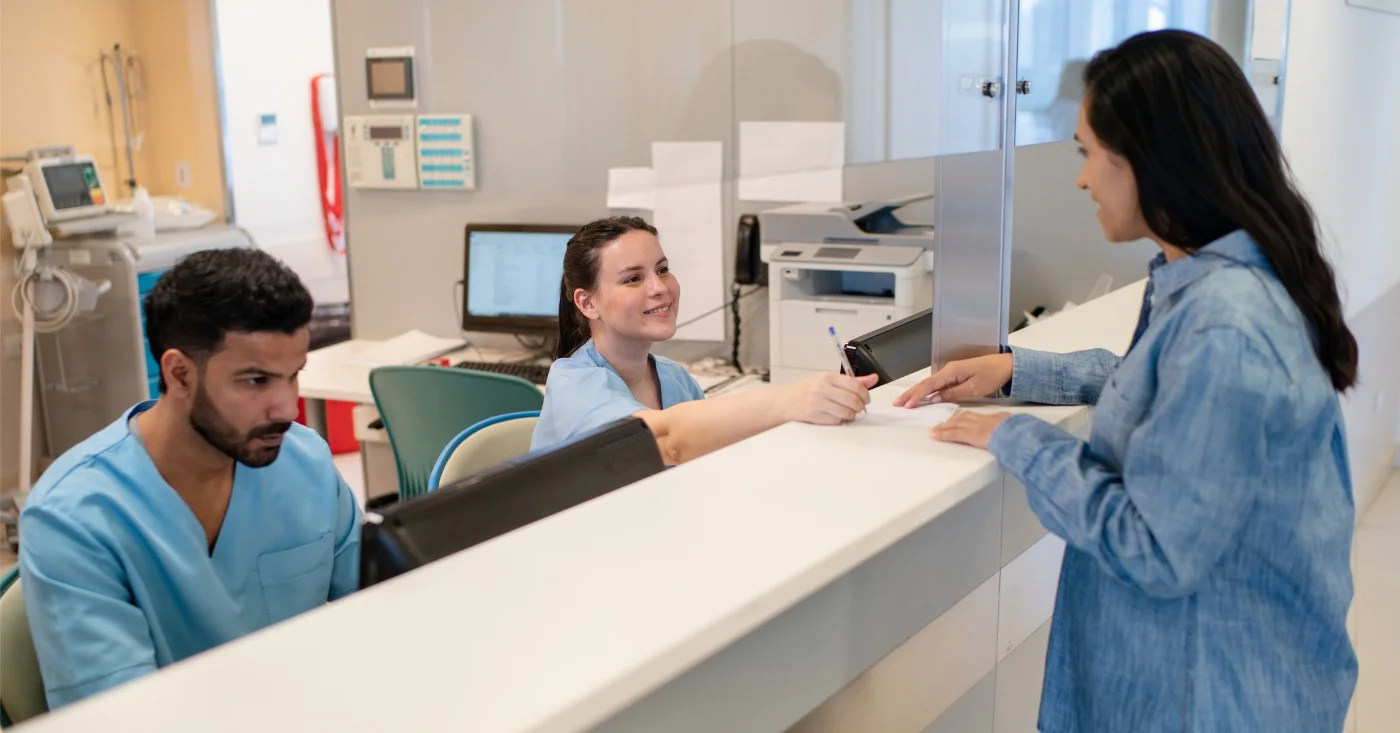
Streamlining OPD Management

Early detection of diabetes is crucial because it enables timely intervention, preventing or delaying serious long-term complications like heart disease, kidney damage, vision loss, and nerve damage. Identifying and managing prediabetes through early screening allows for lifestyle changes that can reverse the condition and prevent progression to type 2 diabetes. Early management also improves treatment effectiveness, leads to better control of blood sugar levels, and gives individuals a greater sense of control over their health. 

Through regular health checkups, blood sugar monitoring, and awareness of risk factors — such as family history, obesity, poor diet, or sedentary lifestyle — diabetes can be identified at an early stage. Early diagnosis allows individuals to take timely action through proper medical care, healthy eating, regular exercise, and medication if required. This proactive approach not only helps regulate blood glucose levels but also minimizes the risk of severe complications like cardiovascular disease, kidney failure, neuropathy, and vision impairment.

In addition, early detection can significantly improve quality of life. It enables better planning and lifestyle management, reduces healthcare costs associated with advanced treatments, and supports emotional well-being by giving individuals control.

Smart Billing for Smarter Hospitals

Early detection of diabetes is crucial because it enables timely intervention, preventing or delaying serious long-term complications like heart disease, kidney damage, vision loss, and nerve damage. Identifying and managing prediabetes through early screening allows for lifestyle changes that can reverse the condition and prevent progression to type 2 diabetes. Early management also improves treatment effectiveness, leads to better control of blood sugar levels, and gives individuals a greater sense of control over their health. 

Through regular health checkups, blood sugar monitoring, and awareness of risk factors — such as family history, obesity, poor diet, or sedentary lifestyle — diabetes can be identified at an early stage. Early diagnosis allows individuals to take timely action through proper medical care, healthy eating, regular exercise, and medication if required. This proactive approach not only helps regulate blood glucose levels but also minimizes the risk of severe complications like cardiovascular disease, kidney failure, neuropathy, and vision impairment.

In addition, early detection can significantly improve quality of life. It enables better planning and lifestyle management, reduces healthcare costs associated with advanced treatments, and supports emotional well-being by giving individuals control.

Pharmacy & Inventory Made Easy

Early detection of diabetes is crucial because it enables timely intervention, preventing or delaying serious long-term complications like heart disease, kidney damage, vision loss, and nerve damage. Identifying and managing prediabetes through early screening allows for lifestyle changes that can reverse the condition and prevent progression to type 2 diabetes. Early management also improves treatment effectiveness, leads to better control of blood sugar levels, and gives individuals a greater sense of control over their health. 

Through regular health checkups, blood sugar monitoring, and awareness of risk factors — such as family history, obesity, poor diet, or sedentary lifestyle — diabetes can be identified at an early stage. Early diagnosis allows individuals to take timely action through proper medical care, healthy eating, regular exercise, and medication if required. This proactive approach not only helps regulate blood glucose levels but also minimizes the risk of severe complications like cardiovascular disease, kidney failure, neuropathy, and vision impairment.

In addition, early detection can significantly improve quality of life. It enables better planning and lifestyle management, reduces healthcare costs associated with advanced treatments, and supports emotional well-being by giving individuals control.

Boosting Hospital Efficiency with ERP

Early detection of diabetes is crucial because it enables timely intervention, preventing or delaying serious long-term complications like heart disease, kidney damage, vision loss, and nerve damage. Identifying and managing prediabetes through early screening allows for lifestyle changes that can reverse the condition and prevent progression to type 2 diabetes. Early management also improves treatment effectiveness, leads to better control of blood sugar levels, and gives individuals a greater sense of control over their health. 

Through regular health checkups, blood sugar monitoring, and awareness of risk factors — such as family history, obesity, poor diet, or sedentary lifestyle — diabetes can be identified at an early stage. Early diagnosis allows individuals to take timely action through proper medical care, healthy eating, regular exercise, and medication if required. This proactive approach not only helps regulate blood glucose levels but also minimizes the risk of severe complications like cardiovascular disease, kidney failure, neuropathy, and vision impairment.

In addition, early detection can significantly improve quality of life. It enables better planning and lifestyle management, reduces healthcare costs associated with advanced treatments, and supports emotional well-being by giving individuals control.